


Introduction
Ever wondered why picking insurance feels a bit like choosing a life partner? You want reliability, trust, and flexibility. But unlike romance, insurance can save your wallet from disaster. This guide is for the everyday person—no bells and whistles, just honest talk to help you feel confident in your choice.
(Introduction is about 5% of the total word‑count.)
1. Understanding Your Needs
Lifestyle and Life Stage
Are you cruising solo, raising kids, or coasting into retirement? Your insurance should reflect whether you’re young and restless or wisdom‑and‑leisure. A young single might prioritize health coverage and renters’ protection, whereas parents may lean into family health and home security.
What Matters Now?
Do you drive to work every day? Your car matters. Work from home? House insurance could be your focus. Recent trip planned? Travel coverage might be helpful. Ask yourself: what can really knock me off track tomorrow if disaster strikes?
2. Types of Protection You Should Know

right insurance lumolog
Health Coverage
It’s like a safety net for your well‑being—doctor visits, hospital trips, and prescriptions. Look beyond the price to what’s covered and how easy it is to file a claim.
Vehicle Coverage
Kind of like a shield for your ride—from fender benders to full collisions. What’s your biggest worry: dents, theft, or that “oh-no” multi‑car pile‑up? Choose accordingly.
Home & Property Protection
Your home is more than walls and rugs. This delivers peace of mind against fires, storms, theft, or uninvited leaks. Don’t forget to protect what’s inside, too—your stuff matters.
Life Coverage
Think of it as a gift to loved ones if the unthinkable happens. It can help settle debts, cover funeral expenses, and provide financial support for your loved ones. It’s heavy stuff, but lightens the burden later.
Travel Backup
Lost luggage or a sudden sickness in a foreign land? Travel coverage can feel like a friend with a safety pad. Medical help, trip delays, cancellations – all worth a look.
3. Balancing Coverage and Cost
Premiums, Deductibles, and Limits
A premium is the price tag on your peace of mind. A deductible is the amount you’re responsible for paying out of pocket before your insurance kicks in. Limits define the maximum amount your insurance will pay for a covered claim.Lower premium means higher risk for you; it’s a trade-off, like choosing speed over comfort.
Copays vs. Out-of-Pocket
Especially in health plans, a copay is that small fee per visit, while out-of-pocket is the total you spend before your insurer chips in. Think of it like tipping your barber versus covering all your bills for the month.
4. Reading the Fine Print (Without Falling Asleep)
Ever tried reading your policy and felt like you were decoding a foreign language? You’re not alone. Cut through the fog by focusing on:
-
What’s not covered
-
Waiting periods (when you’re not yet protected)
-
Renewal terms (just annual, or locked for years?)
Use a highlighter. Circle anything about exclusions—like “earthquake,” “flood,” or “pre‑existing condition.” It’s your safety trap, not theirs.
5. Trust and Reputation: Who’s Behind the Policy?
right insurance lumolog
Financial Stability
You want a company that’ll still exist when disaster strikes. Look for high ratings from trusted financial agencies. They’re like strength badges for insurers.
Customer Service & Claims Support
You might never read policies—or you might ring up support in panic. A company that takes its time with you, answers clearly, and handles claims fast deserves your trust.
6. Customization and Flexibility
Riders and Add-Ons
Tiny tweaks can save you headaches. A rider is like upgrading your burger—add cheese, double the patty. Whether it’s flood coverage or rental protection, riders let you sprinkle what you need without a full overhaul.
Bundles
Combining auto and home policies often saves money. Bundling is like getting the combo meal—more value, less cost, and everything you need in one go
7. Timing: When to Buy, When to Review
Timing matters. Buying new health coverage when you’re already sick? That’s tricky. Most insurers won’t let you jump in mid‑crisis. That’s like trying to board a moving train—you might get on, but you’ll lose balance.
Set an annual date (birthday, new year) to review what you’ve got. Life evolves—new job, new house, new responsibilities—your policy should evolve too.
8. Digital Tools & Comparisons (Made Easy)
right insurance lumolog
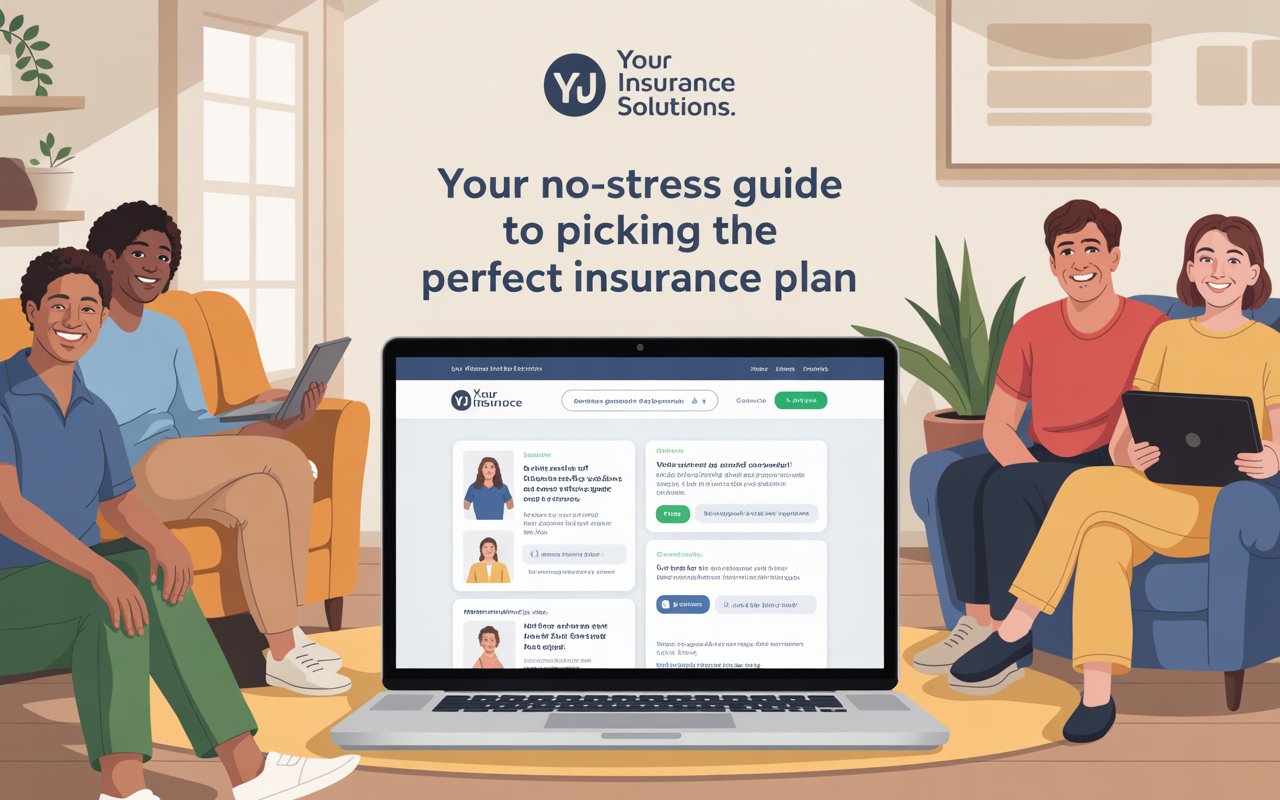
Comparison tools can feel like script‑writers simplifying a plot. Sites that compare multiple insurers side‑by‑side help you see coverage options, pricing, and ratings in one glance. It’s like having a friend whisper the differences so you can pick smarter.
9. Analogies to Help You Decide
-
Insurance is like a seatbelt: You don’t wear it because you expect crashes—you wear it just in case.
-
A policy is like a recipe: Each ingredient (premium, deductible, coverage) matters. Skip too many, and the dish fails.
-
Choosing coverage is like building a toolkit: You don’t carry a whole garage in your trunk—just the tools you need for common fixes.
Frequently Asked Questions (FAQs)
1. What’s the difference between premium and deductible?
The premium is your ongoing payment to keep your insurance coverage in place—much like a monthly subscription. The deductible is the portion of a claim you’re responsible for paying before insurance kicks in. Think of premium as rent, deductible as your share of repair cost.
2. Do I really need insurance if I’m healthy and careful?
Yes! Accidents and emergencies can happen to anyone. Insurance is about spreading risk—pay a bit now to avoid a big financial hit later.
3. How often should I review my policy?
At minimum, once a year—or any time something major changes: a new home, job, marriage, or baby. Life changes, so should your coverage.
4. Can I switch insurers mid‑term?
Sometimes, yes—but beware. Switching could lead to fees or leave you temporarily unprotected It’s often cleaner to wait until your policy renews unless there’s a major reason to move.
5. Is it worth bundling different policies together?
Often, yes. Insurers typically offer discounts when you bundle auto, home, or life coverage together. It’s like a combo meal—cheaper and still tasty.
Wrapping It All Up
Choosing insurance doesn’t need to feel like a puzzle wrapped in legalese. Think of it as crafting your comfort zone: a plan tuned to your life’s quirks, ready for surprises. You don’t have to overpay, you can stay clear on what’s really covered, and you’re in charge of revisiting it when life changes. With the right questions and a bit of clarity, you’ll land on a policy that feels just right—like the perfect umbrella on a drizzly day.


